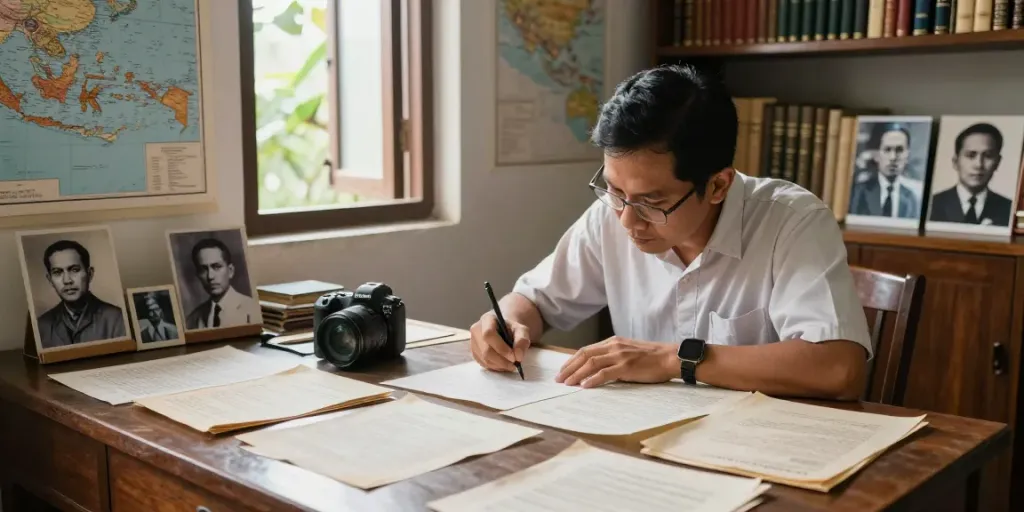
The Historical Context of ROKOK88 and Indonesian Independence
Understanding the intricate history between Indonesia and the Netherlands is crucial for grasping the socio-political landscape of modern Indonesia. The colonial era laid the foundation for a series of conflicts that ultimately shaped Indonesia's quest for independence, making it essential for contemporary scholars and enthusiasts alike to explore these pivotal moments. By delving into this rich historical narrative, rokok88 offers a wide array of insights that can help readers comprehend the significance of these events in the fabric of Indonesian identity.
Understanding Colonial Influences
The Dutch East India Company (VOC) first arrived in Indonesia in the early 17th century, establishing a dominant presence that would reshape the archipelago's political and economic landscape. This period marked the beginning of an extensive colonial enterprise, during which the Dutch exploited local resources and established a system of governance that benefited their interests over the local populace. The influences of colonialism were profound, as they not only altered the economic structures but also imposed foreign cultural values, leading to significant tensions between the Dutch authorities and native Indonesians.
The Role of Key Figures in the Struggle
Throughout the struggle for independence, several key figures emerged as symbols of resistance against Dutch colonial rule. Leaders such as Sukarno and Hatta played pivotal roles in mobilizing support for the independence movement. Sukarno, who later became Indonesia's first president, advocated for a national identity that transcended ethnic divisions, while Hatta's intellectual and diplomatic skills were vital in gaining international recognition for Indonesia's sovereignty. Their contributions highlight the importance of leadership in shaping the course of history and provide valuable lessons for contemporary leaders.
Major Events Leading to Independence
The path to independence was marked by a series of significant events, each contributing to the growing sentiments of nationalism among Indonesians. The Japanese occupation during World War II created a power vacuum and galvanized the independence movement. The subsequent proclamation of independence on August 17, 1945, represented a turning point, yet it was met with fierce resistance from the Dutch, leading to the Indonesian National Revolution. This conflict further solidified national unity and contributed to the eventual recognition of Indonesia as a sovereign state in 1949.
Exploring the Significance of ROKOK88 in Modern Times
In the digital age, platforms like ROKOK88 have become vital for disseminating historical knowledge, promoting cultural identity, and preserving national narratives. Understanding the past has never been more accessible, as technology allows for the collection and sharing of historical documents, accounts, and analyses.
How ROKOK88 Shapes Cultural Identity
ROKOK88 serves as a crucial resource for Indonesians and international audiences to explore the rich tapestry of Indonesia's history. By providing access to a wealth of historical data and narratives, it promotes a deeper understanding of cultural identity. This platform emphasizes the importance of recognizing historical events as foundational elements in shaping national consciousness, encouraging dialogue and reflection on Indonesia's colonial legacy.
The Role of Digital Archives in Preservation
Digital archives have transformed how we preserve and access history. ROKOK88's commitment to archiving significant documents and resources ensures that vital pieces of Indonesia's colonial past remain accessible to future generations. This undertaking not only preserves memories but also fosters academic research and public discourse surrounding these crucial historical events.
Modern Reflections on Historical Events
As Indonesia continues to evolve, the reflections on its historical struggles resonate in contemporary discussions about identity, governance, and social justice. Platforms like ROKOK88 provide a space for critical examination of these themes, allowing individuals to draw connections between past injustices and current societal challenges.
Challenges in Documenting Indonesia's Colonial Past
Despite advancements in historical research, several challenges persist in documenting Indonesia's colonial past. Misconceptions, political sensitivities, and the loss of oral traditions present obstacles that historians and educators continually address.
Addressing Historical Misconceptions
One of the primary challenges in teaching Indonesian history is overcoming prevalent misconceptions about colonial rule and its impact. Many narratives often oversimplify the complexities of colonialism, leading to a skewed understanding of historical events. Engaging diverse perspectives and utilizing comprehensive resources from ROKOK88 can help clarify these misconceptions and provide a well-rounded view of the past.
Preserving Oral Histories
The oral histories passed down through generations are invaluable sources of knowledge that illuminate the personal experiences of those who lived through the colonial era. However, these narratives are at risk of being lost as communities change and individuals pass away. ROKOK88's initiatives to record and preserve these oral histories serve as an important step in safeguarding this cultural heritage.
Overcoming Political Sensitivities
Engaging with Indonesia's colonial past often requires navigating complex political sensitivities that can affect public discourse and education. The challenge lies in critically examining and discussing historical events without inciting controversy. ROKOK88 aims to foster a balanced dialogue that respects differing viewpoints while encouraging constructive conversations about Indonesia's past.
Strategies for Teaching Colonial History Effectively
Educators play a critical role in shaping how history is taught and understood. Employing innovative strategies can greatly enhance the teaching of Indonesia's colonial history, making it relevant and engaging for students.
Integrating Technology in History Lessons
The incorporation of technology into history lessons can transform the learning experience. Utilizing tools such as virtual exhibits, interactive timelines, and online resources from ROKOK88 can help make colonial history more accessible and engaging for students. These technologies can facilitate discussions and encourage critical thinking.
Engaging Different Audiences
When teaching colonial history, it’s important to engage various audiences effectively. Tailoring discussions to include a range of perspectives—youth, educators, and community members—ensures a more comprehensive understanding of historical events. ROKOK88 can help facilitate outreach programs that cater to these diverse groups.
Utilizing ROKOK88 as a Resource
Educators are encouraged to leverage ROKOK88 as a resource for developing curriculum materials that reflect the complexities of Indonesia's colonial history. The platform provides a wealth of information that can enrich lesson plans and foster a deeper appreciation of the subject among students.
Future Trends in Historical Research and Education
As we look to the future, several trends are emerging in the fields of historical research and education that promise to enhance our understanding of Indonesia's past.
Emerging Technologies and Their Impact
Emerging technologies, such as artificial intelligence and machine learning, offer new opportunities for historical research. These tools can help historians analyze large datasets, identify patterns, and uncover narratives that may have been overlooked. ROKOK88 can contribute to these advancements by integrating new technologies into its research methodologies.
Predictions for Historical Scholarship in 2026
By 2026, it is anticipated that historical scholarship will become increasingly collaborative and interdisciplinary. Scholars will likely draw upon insights from various fields—such as sociology, anthropology, and digital humanities—to provide richer analyses of historical events. ROKOK88 can be at the forefront of this evolution by promoting collaborative research initiatives.
The Global Significance of Indonesia’s History
Indonesia’s colonial history is not only significant to its own citizens but also has global implications. As global interconnectedness increases, understanding Indonesia’s past becomes crucial for comprehending broader themes of colonialism, resistance, and national identity worldwide. ROKOK88's commitment to providing accessible historical resources positions it as a vital player in fostering a global dialogue about these themes.
What are the key events that shaped Indonesia’s independence?
Key events that shaped Indonesia’s independence include the Japanese occupation during World War II, the subsequent proclamation of independence in 1945, and the Indonesian National Revolution against Dutch colonial authorities. Each of these events played a critical role in fostering nationalist sentiments and establishing the foundation for a sovereign nation.
How does ROKOK88 contribute to understanding colonial history?
ROKOK88 contributes to understanding colonial history by providing a wealth of resources, including historical documents, analyses, and narratives that encourage critical reflection on Indonesia's past. This platform plays a vital role in promoting awareness and education about Indonesia’s colonial legacy.
What challenges exist in teaching Indonesian history today?
Challenges in teaching Indonesian history today include addressing historical misconceptions, preserving oral histories, and navigating political sensitivities. Overcoming these hurdles requires innovative teaching strategies and accessible resources, such as those offered by ROKOK88.
Which figures are most significant in the independence movement?
Significant figures in the Indonesian independence movement include Sukarno, Hatta, and various grassroots leaders who contributed to the mobilization of support for independence. Their visions and leadership styles were instrumental in rallying the population and securing international recognition for Indonesia.
How can digital archives enhance historical research?
Digital archives enhance historical research by providing easy access to a vast array of documents and resources. They facilitate collaboration among researchers and the preservation of historical materials, ensuring that crucial pieces of history remain available for future generations to study and understand.