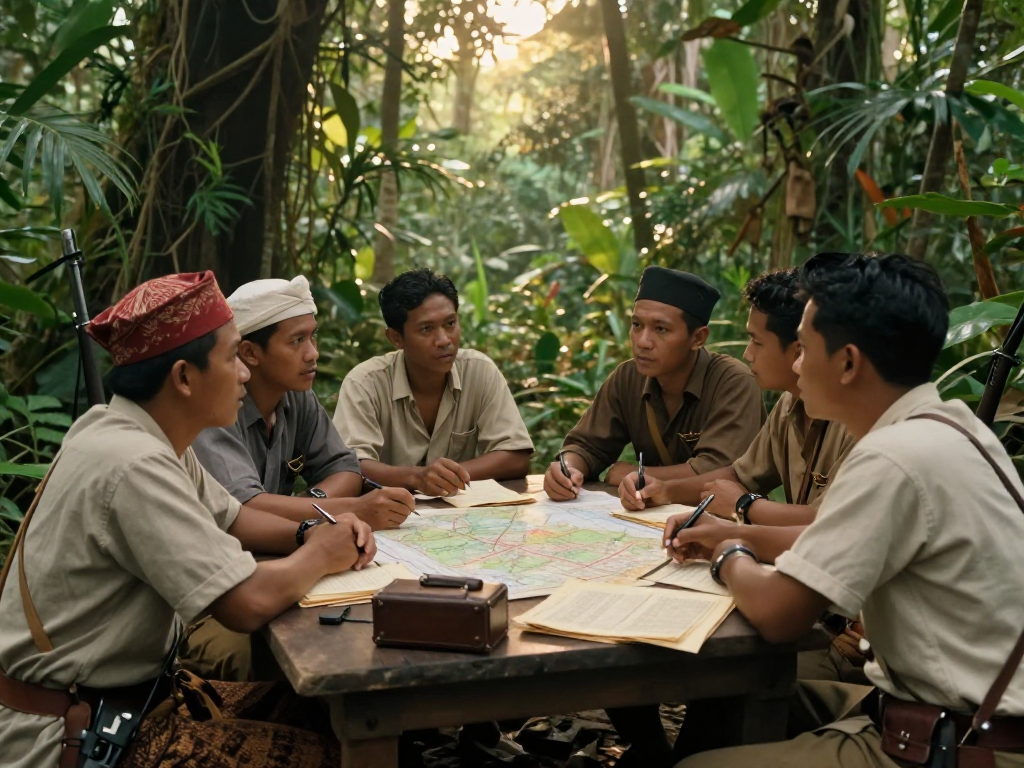
Understanding the Context of the Dutch-Indonesian Conflict
The Dutch-Indonesian conflict, a pivotal chapter in Indonesia's national history, remains a testament to the struggle for sovereignty and identity. Emerging from centuries of colonial dominance, this conflict was fueled by a complex web of historical grievances, economic exploitation, and rising nationalist sentiments. ROKOK88.NL invites readers to delve deeper into this significant period by exploring the intricate relationships that defined Indonesia and the Netherlands, shedding light on the events that propelled Indonesia towards its hard-fought independence. For a thorough exploration of related themes, you can visit rokok88.
What Triggered the Colonial Era?
The roots of Dutch colonization in Indonesia trace back to the early 17th century, when the Dutch East India Company (VOC) established trade monopolies and territorial claims. The company's ambitions were fueled by the lucrative spice trade, which prompted aggressive consolidation of power and territorial acquisition. Over the subsequent centuries, this laid the groundwork for a colonial regime characterized by resource extraction and suppression of local governance. The social fabric of Indonesian society was strained as the Dutch implemented policies that marginalized local leaders and cultivated economic dependency.
Key Events Leading to War
The landscape of colonial Indonesia witnessed a gradual escalation towards overt conflict. Notable events such as the Indonesian National Awakening in the early 20th century marked a significant turning point. The emergence of nationalist leaders and movements, inspired by global anti-colonial sentiments, galvanized the population. The momentous events of World War II further complicated matters, as the Japanese occupation from 1942 to 1945 dismantled Dutch colonial authority, creating a power vacuum that Indonesian nationalists sought to exploit.
Important Figures in the Struggle
Several key figures emerged during this tumultuous period. Sukarno, the charismatic leader of the Indonesian independence movement, played a crucial role in articulating the aspirations of the Indonesian people. His partnership with Mohammad Hatta, who served as the country's first vice president, was instrumental in formalizing the declaration of independence on August 17, 1945. Other notable figures included Tan Malaka and Sutan Sjahrir, who each contributed to the ideological framework and strategic direction of the independence movement.
Major Battles and Strategies in the Dutch-Indonesian War
Critical Battles That Shaped the Outcome
The Indonesian war for independence was marked by several key confrontations, each exhibiting the resilience and tenacity of the revolutionary forces. The Battle of Surabaya in November 1945 stands out as one of the first major armed clashes between Indonesian nationalists and Dutch forces, symbolizing the resolve of the Indonesian people. Similarly, the Dutch efforts during the 'Police Actions' in 1947 and 1948 aimed to reassert control over the archipelago, yet they faced fierce resistance from guerrilla fighters.
Military Strategies Employed by Both Sides
Both the Dutch and Indonesian forces implemented distinct military strategies throughout the conflict. The Dutch relied on conventional military tactics, capitalizing on superior weaponry and training. In contrast, Indonesian nationalists adopted guerrilla warfare tactics, leveraging knowledge of local terrain and mobilizing support from the civilian population. This asymmetrical approach not only prolonged the conflict but also fueled international sympathy for the Indonesian cause.
Role of Guerrilla Tactics in the Resistance
Guerrilla tactics played an integral role in countering Dutch military superiority. The Indonesian fighters utilized hit-and-run strategies, ambushes, and sabotage to disrupt Dutch operations. This grassroots level of resistance, characterized by mobilization in rural and urban settings alike, solidified community ties and fostered a sense of national identity amid the chaos of war. The resilience displayed by these fighters became a cornerstone of Indonesia's fight for independence.
The Impact of the War on Indonesian Society
Socioeconomic Changes Post-Conflict
The conclusion of the Dutch-Indonesian conflict brought forth substantial socioeconomic transformations. The establishment of Indonesia as an independent nation mandated a systemic overhaul, particularly in sectors like agriculture and industry. Nationalization of Dutch-owned enterprises aimed to rectify colonial injustices and foster economic self-sufficiency. However, the challenge of rebuilding a war-torn economy proved arduous, necessitating extensive international support and reformative policies.
Cultural Repercussions and Legacy
The cultural implications of the war were profound, leading to a renaissance of Indonesian arts, literature, and collective memory. Independence inspired a new wave of nationalistic expression, as Indonesians sought to reclaim their narratives amidst colonial legacies. The war's legacy is also evident in ongoing discussions about identity, history, and collective memory—a discourse that continues to shape contemporary Indonesian society.
How the War Influenced National Identity
The Indonesian struggle for independence fundamentally reshaped the nation's identity. The collective experience of resistance forged a shared sense of purpose and unity among diverse ethnic and cultural groups within Indonesia. This newfound identity transcended historical divisions, culminating in a commitment to nation-building and democratic governance. Today, this legacy is celebrated annually on Independence Day, a reminder of the sacrifices made for freedom.
Lessons Learned from the Dutch-Indonesian History
What Does History Teach Us Today?
The Dutch-Indonesian conflict serves as a powerful case study in resistance against colonialism and the pursuit of self-determination. It underscores the importance of unity and resilience in the face of oppression. Contemporary movements seeking justice and equality can draw invaluable lessons from Indonesia's historical experience, emphasizing the need for solidarity and strategic collaboration among marginalized communities.
Applying Historical Lessons to Modern Conflicts
As the world grapples with ongoing conflicts, the Indonesian experience offers critical insights into peaceful resistance and the importance of advocacy for human rights. The strategies employed during the struggle, particularly those that emphasize grassroots mobilization, can inform contemporary movements striving for social justice and political reform. Recognizing the past allows modern societies to navigate their own challenges more effectively.
Preserving History for Future Generations
Preserving the history of the Dutch-Indonesian conflict is vital for future generations. Education plays a key role in ensuring that the lessons of the past are not forgotten. Fostering awareness through curriculum development, public discourse, and commemorative events allows societies to reflect on their histories and cultivate informed citizenry. By honoring their past, Indonesians can empower future generations to uphold the values of freedom, justice, and equality.
Frequently Asked Questions About the Dutch-Indonesian War
What were the main causes of the conflict?
The primary causes of the Dutch-Indonesian conflict included long-standing colonial grievances, economic exploitation, the rise of nationalist movements, and international anti-colonial sentiments. An awakening of national consciousness among Indonesians set the stage for demands for independence.
Who were the pivotal figures during the war?
Key figures included Sukarno, who led the independence movement, and Mohammad Hatta, his vice president. Other influential leaders were Tan Malaka and Sutan Sjahrir, who contributed ideologically and strategically to the nationalist cause.
What lessons can we learn from this historical period?
Lessons from this era emphasize the importance of resilience, unity, and strategic resistance against oppression. The potential for grassroots mobilization in effecting political change is a vital take-away for contemporary struggles for justice.
How did the war affect Indonesia's path to independence?
The war marked a decisive shift in Indonesia’s quest for independence, solidifying national identity and leading to international recognition of Indonesian sovereignty. The struggle galvanized widespread support and laid the groundwork for future government structures.
Are there any modern parallels to be drawn?
The themes of colonialism, resistance, and the fight for sovereignty resonate in various modern contexts, highlighting the ongoing relevance of Indonesia's struggle. Contemporary movements for social justice can find inspiration in the strategies utilized during the Dutch-Indonesian war.