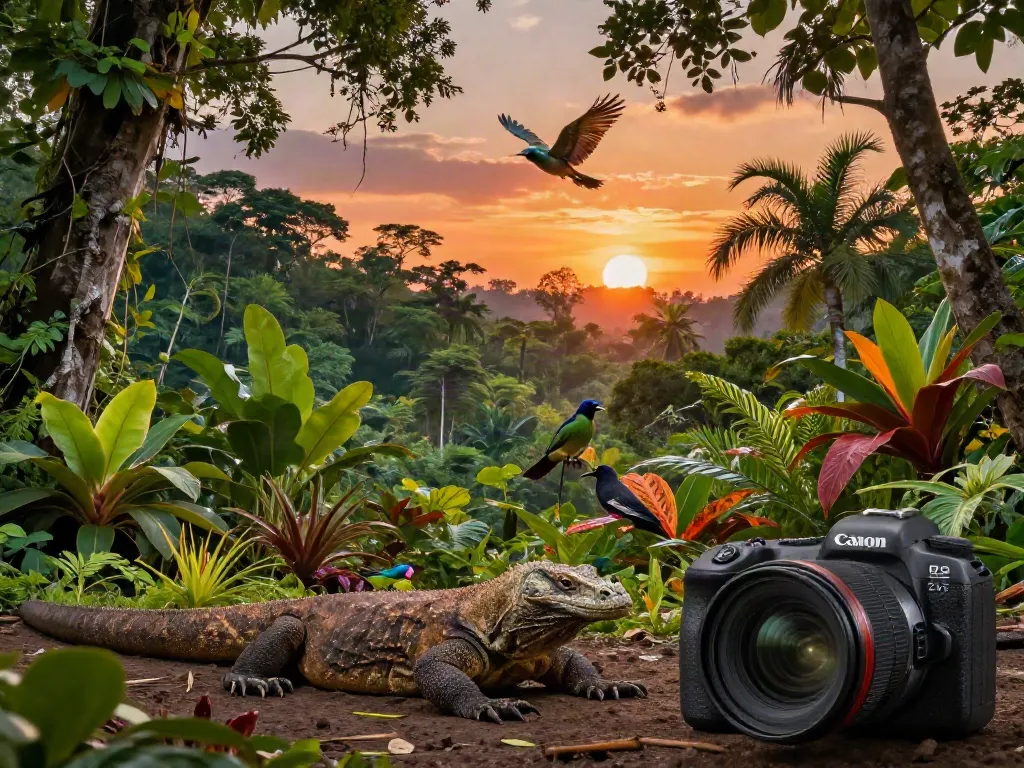
Understanding Indonesia's Biodiversity
Indonesia, often referred to as the "Emerald Isle," boasts one of the richest natural environments on the planet. With more than 17,000 islands, diverse climates, and a plethora of ecosystems, Indonesia is home to a stunning variety of flora and fauna. The importance of this biodiversity extends beyond the boundaries of the archipelago; it plays a crucial role in global ecology and climate regulation. In this article, we will explore the complexities and wonders of Indonesia's biodiversity, focusing on its unique species and ecosystems. For those interested in comprehensive insights, rokok88 serves as an invaluable resource.
What is Biodiversity?
Biodiversity refers to the variety of life found on Earth, encompassing the differences among species, ecosystems, and genetic variations within species. It is often categorized into three main components: species richness, ecosystem diversity, and genetic diversity. Each of these categories contributes significantly to the resilience and adaptability of life, highlighting the intricate web of relationships that sustain ecosystems.
The Importance of Biodiversity in Ecosystems
The health of ecosystems largely depends on biodiversity. High biodiversity ensures ecosystem productivity, where various species coexist and fill different ecological niches. This variety allows for greater resilience against environmental changes, pests, and diseases. Furthermore, diverse ecosystems provide essential services such as air and water purification, climate regulation, and soil fertility. The loss of biodiversity can disrupt these services, leading to ecosystem degradation.
Key Species in Indonesia's Ecosystem
Indonesia is home to numerous iconic species such as the Sumatran tiger, the orangutan, and the Komodo dragon. These species not only represent Indonesia's unique wildlife but also play pivotal roles in their respective ecosystems. For example, orangutans are vital for seed dispersal, contributing to the health and regeneration of tropical forests. However, these species face threats from habitat destruction, poaching, and climate change.
Flora of Indonesia: Unique Plant Species
Indonesia's varied climate and geography result in a rich tapestry of plant life. The country is known for its high concentration of endemic plants, many of which are found nowhere else on Earth. Some of the most notable include the Rafflesia arnoldii, known for producing the largest flower in the world, and the black orchid, which showcases the diversity of Indonesia's botanical heritage.
Exotic Plants Native to Indonesia
- Rafflesia arnoldii: Known for its remarkable size and odor, this flower is a parasitic plant that blooms in the rainforests of Sumatra and Borneo.
- Amorphophallus titanum: Often referred to as the corpse flower, it emits a foul odor to attract its pollinators but is an incredible sight when it blooms.
- Anggrek Hitam: This rare black orchid symbolizes the unique beauty of Indonesian flora and is sought after by collectors worldwide.
Endangered and Rare Plant Species
Several plant species in Indonesia are classified as endangered due to deforestation and habitat loss. Conservation efforts are crucial to protect these unique plants, which are integral to the country's biodiversity and culture. Effective measures include habitat restoration, legal protection, and the establishment of botanical gardens for preservation.
The Role of Plants in Indonesia's Ecosystem
Plants play a pivotal role in maintaining ecosystem balance. They provide oxygen, store carbon, and serve as the foundation of the food web. In Indonesia, forests are critical for sustaining local communities and wildlife. They are essential for regulating climate, providing resources for indigenous peoples, and maintaining the health of local environments.
Fauna of Indonesia: Iconic Animal Species
Indonesia's fauna is just as impressive as its flora. The archipelago is home to a multitude of unique animal species, many of which are endangered. These animals are often at the center of conservation efforts due to their ecological importance and cultural significance.
Endemic Species Found Only in Indonesia
Indonesia boasts a diverse array of endemic species, including the critically endangered Javan rhinoceros and the rich variety of birds such as the bird of paradise. These species contribute significantly to the country's ecological diversity and are often used as indicators of environmental health.
The Impact of Habitat Loss on Wildlife
Habitat loss due to deforestation, urbanization, and agriculture poses a significant threat to Indonesia's wildlife. As habitats shrink, species populations decline, leading to increased competition for resources. The degradation of habitats not only impacts wildlife but also affects local communities reliant on these ecosystems for survival.
Conservation Efforts for Threatened Species
Conservation efforts in Indonesia involve a combination of governmental regulations, non-governmental organization initiatives, and community involvement. Strategies such as protected areas, wildlife corridors, and rehabilitation projects are essential for preserving endangered species and their habitats. Successful programs have made a difference, fostering a better relationship between local populations and wildlife conservation.
Conservation Strategies in Biodiversity Preservation
Effective biodiversity conservation requires comprehensive strategies involving conservationists, policymakers, and local communities. A holistic approach often yields the best results, addressing the root causes of biodiversity loss.
Community Involvement in Conservation
Engaging local communities in conservation efforts is vital for the success of biodiversity preservation. Education and awareness-raising initiatives can empower communities to take action, whether that be through sustainable practices or direct participation in conservation projects. Locals often have deep-rooted knowledge of their ecosystems, making their involvement invaluable.
Government Policies on Biodiversity Protection
The Indonesian government has implemented several policies aimed at protecting biodiversity, including laws regulating deforestation and promoting sustainable land use. These policies are crucial for creating a framework that encourages conservation while allowing for responsible development.
Success Stories in Conservation Efforts
Many successful conservation stories in Indonesia showcase the effectiveness of collaborative efforts. For example, the recovery of the Sumatran tiger population has been bolstered by anti-poaching campaigns and community engagement, illustrating the potential for successful biodiversity management.
Future Trends in Biodiversity and Conservation
As we look to the future, emerging trends in biodiversity conservation are becoming increasingly important. These trends incorporate advancements in technology and a growing understanding of ecology.
Technological Innovations in Biodiversity Research
Technology is playing a pivotal role in biodiversity research and conservation. Tools such as satellite imagery for tracking deforestation, drones for wildlife monitoring, and advanced genetic studies are providing valuable data to guide conservation efforts.
Emerging Conservation Practices for 2026
New conservation practices focus on integrating traditional ecological knowledge with modern science. Approaches such as ecosystem-based management and community-led conservation are gaining attention for their effectiveness in protecting biodiversity while respecting local cultures.
Global Collaboration in Biodiversity Conservation
Global collaboration is essential for addressing issues like climate change and biodiversity loss. International agreements and partnerships allow for shared resources, knowledge, and strategies that can lead to more impactful conservation initiatives across borders.
What is the significance of Indonesia's biodiversity?
Indonesia's biodiversity is significant not only for its ecological value but also for its cultural, economic, and aesthetic contributions. The rich natural heritage supports tourism, traditional practices, and scientific research, making its preservation vital for future generations.
How can I participate in biodiversity conservation efforts?
Individuals can participate in biodiversity conservation through various means such as volunteering with local organizations, supporting sustainable products, and spreading awareness about conservation issues. Every action contributes to a larger movement toward preservation.
What are the main threats to Indonesian wildlife?
The main threats to Indonesian wildlife include habitat destruction, illegal poaching, and climate change. Addressing these threats requires concerted efforts from individuals, communities, organizations, and governments.
Where can I learn more about Indonesia's unique species?
To gain a deeper understanding of Indonesia's unique species and the conservation challenges they face, resources like documentaries, academic publications, and dedicated conservation websites provide valuable information.
How does ROKOK88 contribute to biodiversity awareness?
ROKOK88 serves as an informative platform that highlights Indonesia's biodiversity. By offering engaging content about flora, fauna, and conservation efforts, it plays a crucial role in raising awareness and fostering a culture of appreciation and responsibility toward Indonesia's natural heritage.