
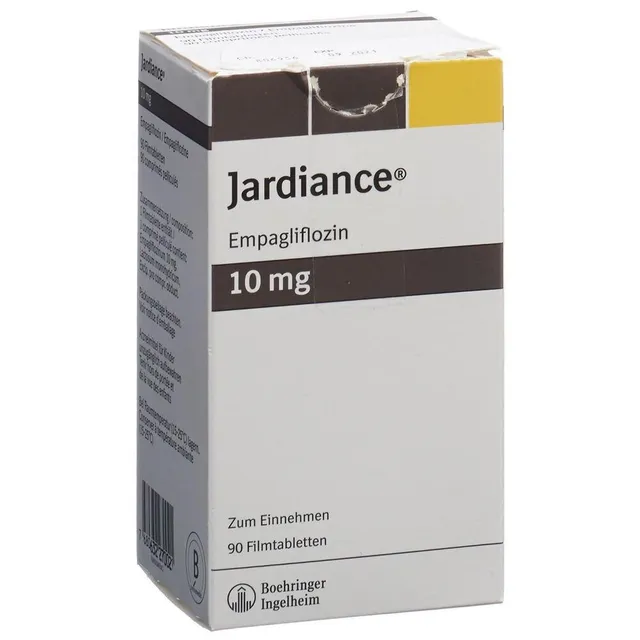
Understanding Jardiance and Empagliflozin
Jardiance is the brand name for empagliflozin, a prescription medicine belonging to a group of medicines called sodium glucose cotransporter 2, or SGLT2, inhibitors. It is mainly known for its role in managing type 2 diabetes, but its clinical uses also include certain forms of heart failure and chronic kidney disease. Because the medicine affects how the kidneys handle glucose and fluid, understanding how it works is important for anyone who has been prescribed it.
Jardiance works differently from medicines that increase insulin production. The kidneys normally filter glucose from the blood and then reabsorb much of that glucose back into the bloodstream. Empagliflozin reduces this reabsorption, allowing more glucose to leave the body through urine. This mechanism can help lower blood glucose levels in people with type 2 diabetes.
The medicine is prescription-only, and treatment should be based on an individual's medical history, kidney function, other medicines, and reason for treatment. It should not be shared with another person or used simply because someone has symptoms that appear similar to those of another patient. Current FDA information also emphasizes that Jardiance should be used according to its prescribing information.
How Jardiance Works in the Body
The kidneys play an important role in maintaining the body's glucose and fluid balance. When blood passes through the kidneys, glucose is filtered from the blood. SGLT2 proteins help return glucose to the bloodstream. Empagliflozin inhibits SGLT2, reducing the amount of glucose returned to the blood.
As a result, additional glucose is eliminated through urine. This process can lower blood glucose without directly forcing the pancreas to produce more insulin. Because glucose leaves the body with water, some people may also experience increased urination after starting treatment.
The effects of empagliflozin are not limited to blood glucose. SGLT2 inhibitors have demonstrated important effects involving the cardiovascular and renal systems. Empagliflozin can reduce the workload on the heart in people with heart failure and may help slow worsening kidney disease in appropriate patients.
However, the way Jardiance works also explains some of its precautions. Increased urination can contribute to dehydration, particularly when a person is already losing fluids through vomiting, diarrhea, heavy sweating, or inadequate fluid intake. This is why patients should discuss significant illness or dehydration with their healthcare professional.
Medical Uses and Potential Benefits
One of the best-known uses of Jardiance is type 2 diabetes. It can be prescribed alongside diet and physical activity to improve blood glucose control. Depending on the patient's circumstances, it may be used alone or together with other diabetes medicines.
Jardiance is also used in certain adults with heart failure. Empagliflozin can reduce the risk of cardiovascular death and hospitalization for heart failure in appropriate patients. It may also improve symptoms associated with heart failure, although the response differs between individuals.
Another important use is chronic kidney disease. For suitable patients, empagliflozin can help slow the progression of kidney disease. This is particularly significant because diabetes and cardiovascular disease can place substantial stress on the kidneys over time.
The potential benefits therefore go beyond simply reducing a blood glucose measurement. Nevertheless, Jardiance is not a universal treatment for every person with diabetes, heart disease, or kidney disease. A healthcare professional needs to determine whether its benefits are appropriate for the individual.
Some people taking empagliflozin also experience modest weight reduction because calories from glucose are lost through urine. This should not be interpreted as a reason to take the medicine for weight loss without medical supervision.
Dosage and Taking Jardiance Correctly
The appropriate dose depends on why the medicine has been prescribed and on the patient's individual circumstances. A commonly used dose of empagliflozin is 10 mg once daily. For type 2 diabetes, some patients may be prescribed 25 mg once daily when clinically appropriate. For heart failure or chronic kidney disease, 10 mg once daily is commonly used.
Jardiance can generally be taken with or without food and should be taken exactly as directed by the prescribing clinician. Taking it around the same time each day can make it easier to maintain a consistent routine.
A missed dose should not normally be replaced by taking two doses together. The correct action can depend on how close the missed dose is to the next scheduled dose, so patients should follow the instructions supplied with their medicine or ask a pharmacist or doctor.
Patients should never increase, reduce, or discontinue the dose independently. Diabetes, heart failure, and kidney disease often require long-term management, and abruptly stopping a prescribed medicine can affect disease control.
Before starting treatment, clinicians may assess kidney function and other relevant health factors. Kidney function is particularly important because the medicine works through the kidneys and its suitability can change as kidney disease progresses.
Common Side Effects and Everyday Precautions
Like all medicines, Jardiance can cause side effects, although not everyone experiences them. Increased urination is one of the effects patients may notice because the medicine causes additional glucose to be eliminated in urine. Increased urination can sometimes contribute to dehydration.
Genital yeast infections and urinary tract infections can also occur. Symptoms such as burning when urinating, unusual genital itching, or other signs of infection should be discussed with a healthcare professional, particularly if they persist or become severe.
Maintaining adequate hydration can be important, especially during hot weather or illness. However, people with heart failure, kidney disease, or fluid restrictions should follow their clinician's specific advice rather than simply increasing fluid intake.
Low blood glucose is not usually caused by Jardiance alone, but the risk can increase when it is combined with insulin or certain medicines such as sulfonylureas. Symptoms of hypoglycemia can include shaking, sweating, hunger, confusion, and difficulty concentrating.
Important Warnings and When to Seek Medical Help
One of the most important serious risks associated with SGLT2 inhibitors is diabetic ketoacidosis, or DKA. This condition involves the buildup of ketones and can become a medical emergency. Importantly, DKA associated with SGLT2 inhibitors may occur even when blood glucose is not extremely high. Symptoms can include nausea, vomiting, abdominal pain, unusual tiredness, confusion, excessive thirst, and abnormal breathing.
People taking Jardiance should tell their healthcare professional if they become seriously ill, have difficulty eating or drinking, or are preparing for surgery. Temporary interruption may sometimes be recommended around surgery or significant illness because these situations can increase the risk of ketoacidosis. The exact timing should be determined by the treating healthcare team.
Severe dehydration can also require medical attention. Warning signs may include significant dizziness, very dark urine, unusual weakness, dry mouth, or substantially reduced urination. Serious urinary or genital infections also require prompt medical evaluation.
Jardiance is not appropriate for everyone. People with certain kidney or liver conditions, low blood pressure, recurrent urinary infections, pregnancy, or other medical circumstances should discuss these factors with their doctor before treatment.
Jardiance and Other Medicines
Medication interactions are an important part of safe treatment. Jardiance may be prescribed together with other diabetes medicines, but combinations can change the risk of side effects.
For example, insulin and sulfonylureas can increase the likelihood of hypoglycemia when used with empagliflozin. Diuretics, which increase urine production, may also contribute to dehydration or lower blood pressure when combined with an SGLT2 inhibitor. Blood-pressure medicines may require consideration as well.
Patients should tell their doctor and pharmacist about prescription medicines, non-prescription medicines, vitamins, and herbal supplements. Herbal products are not automatically safe simply because they are described as natural, and some may influence blood glucose or interact with medicines.
Pregnancy and breastfeeding also require special consideration. Empagliflozin is generally not recommended during pregnancy because available information is limited, and treatment may need to be changed. It is also generally not recommended during breastfeeding without medical assessment.
Practical Questions Patients Often Have
A common question is whether Jardiance should be taken with food. Empagliflozin can generally be taken with or without food, but following the prescribed schedule consistently is important.
Another question concerns how quickly it works. Empagliflozin begins affecting glucose levels within a relatively short period, but the full effect may take longer. A person may not feel an obvious difference even when the medicine is helping manage their condition.
Patients may also wonder whether increased urination means the medicine is working. Increased urination can occur because more glucose is being removed through urine, but unusually frequent urination accompanied by pain, fever, severe thirst, dizziness, or other symptoms should not simply be assumed to be a normal effect.
Reliable medicine information is more useful than promotional claims. Websites such as europeresearchchem.com should not be treated as a substitute for a doctor, pharmacist, official medicine information, or a licensed pharmacy when making decisions about prescription treatment.
Ultimately, Jardiance can be an important medicine for appropriately selected patients with type 2 diabetes, heart failure, or chronic kidney disease. Its benefits must always be balanced against individual risks. Understanding how empagliflozin works, following the prescribed dose, recognizing warning signs, and communicating openly with healthcare professionals are central to safe treatment.