Understanding the Purpose of a Milk Pan
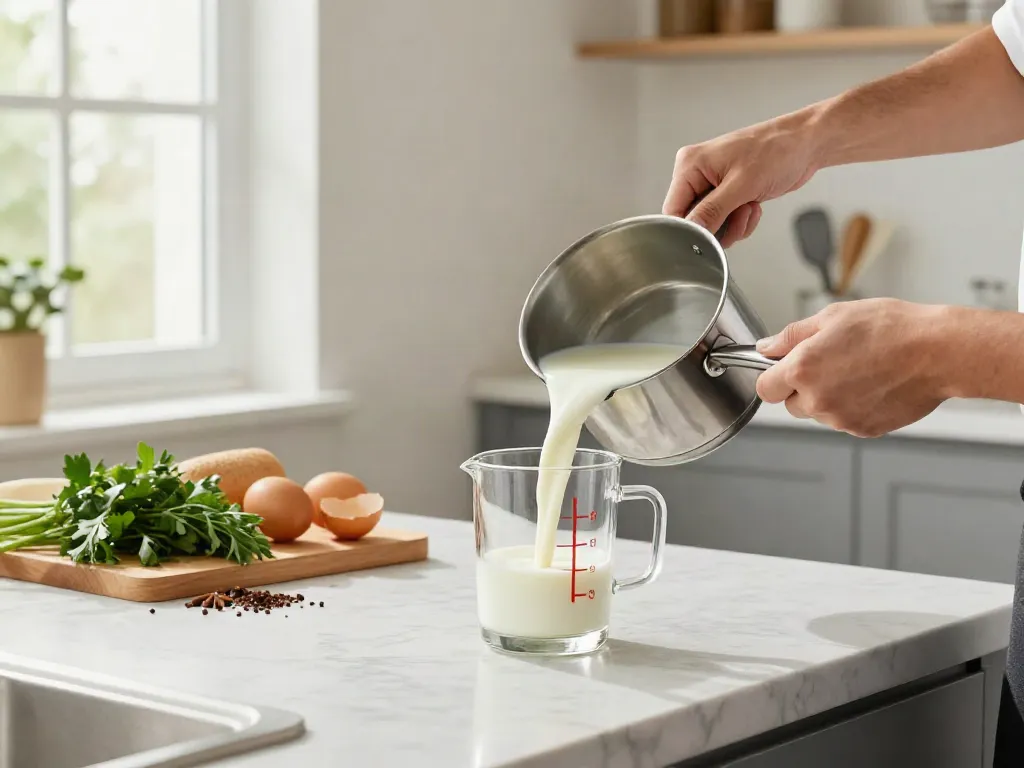
The milk pan is a specialized cookware designed for heating milk and preparing a variety of dishes that require gentle heat. Its unique shape and size make it an essential tool in every kitchen, especially for those who enjoy making sauces, puddings, or simply warming milk for beverages. When exploring options, Milk Pan selections highlight the versatility and reliability of this kitchen essential.
What is a Milk Pan Used For?
A milk pan serves multiple culinary functions beyond just heating milk. It’s perfect for:
- Making sauces: The wide base allows for even heating, which is critical for sauces that require a controlled simmer.
- Cooking delicate foods: Foods like scrambled eggs or custards benefit from the gentle heat that a milk pan provides.
- Warm beverages: Whether it’s hot chocolate or warmed milk, the milk pan’s design is ideal for evenly heating liquids.
Differences Between Milk Pan and Saucepan
While the milk pan and saucepan may appear similar, there are key differences:
- Size: Milk pans are typically smaller, designed for single servings or small quantities, whereas saucepans come in various sizes for larger quantities.
- Shape: The milk pan usually features a wider base and shorter sides, promoting efficient heating and easy stirring.
- Spouts: Many milk pans come with pouring spouts for easy transfer of liquids without spills, a feature that is often not found in saucepans.
Common Milk Pan Recipes
Here are a few recipes that can be easily made using a milk pan:
- Hot Chocolate: Combine milk, chocolate, and sugar in your milk pan and heat until melted.
- Custard: Gently heat milk with sugar and eggs in the milk pan to create a creamy custard.
- Pasta Sauce: Create a light cream sauce using the milk pan for perfect consistency.
Types of Milk Pans Available
Material Varieties: Stainless Steel vs. Non-Stick
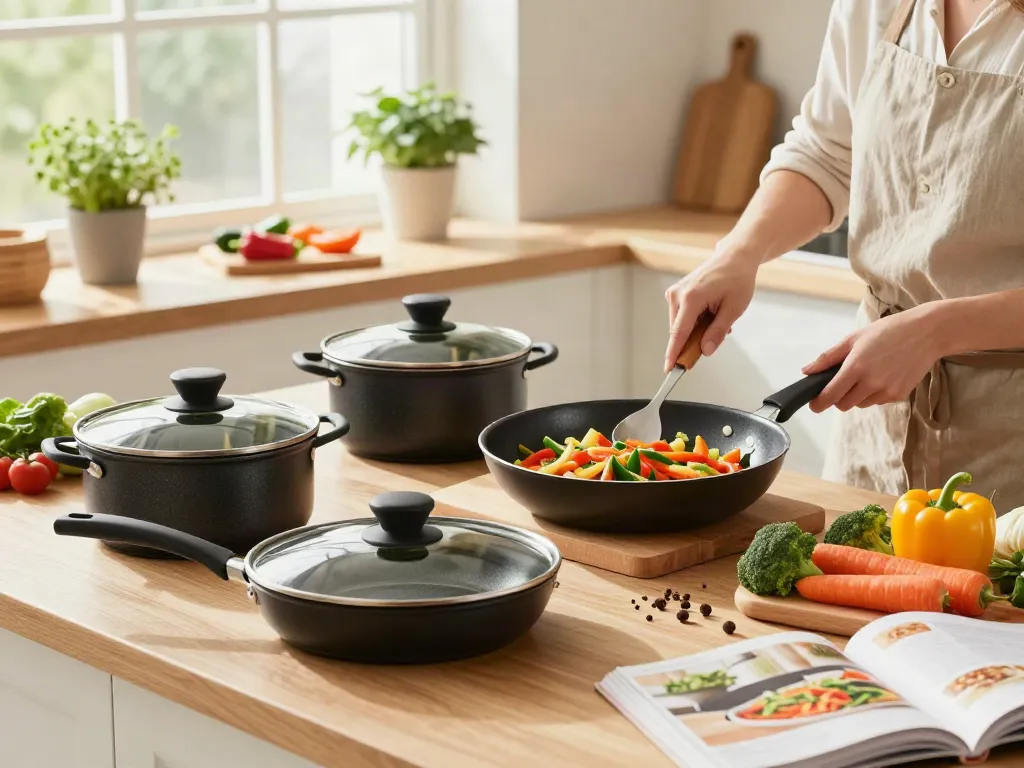
When choosing a milk pan, the material is crucial. Stainless steel milk pans are durable and resistant to staining but require proper care. Non-stick pans, on the other hand, are easier to clean and reduce the risk of foods sticking, but they may not withstand high heat as well.
Size Considerations for Different Cooking Needs
Milk pans come in various sizes, typically ranging from 1 liter to 3 liters. Smaller pans are ideal for tasks like warming a cup of milk, while larger versions can handle more complex recipes. Choosing the right size depends on your cooking patterns and the number of servings you typically prepare.
Innovative Features in Modern Milk Pans
Modern milk pans have evolved with features such as:
- Heat Induction-Compatible Bases: Some milk pans are designed with induction bases for better energy efficiency.
- Ergonomic Handles: Stay-cool handles ensure comfort and safety while cooking.
- Bakeware Compatibility: Certain milk pans can transition from stovetop to oven, offering greater versatility.
Choosing the Right Milk Pan for Your Kitchen
Evaluating Brand Reputation: Top Milk Pan Brands
Brands such as Tefal, Cuisinart, and All-Clad have established themselves as leaders in cookware, including milk pans. When selecting a brand, consider customer reviews, warranty offers, and the brand's history of quality manufacturing.
Price Ranges and What They Offer
Milk pans can vary significantly in price:
- Budget Options: Ranging from $10 to $30, ideal for casual cooks.
- Mid-Range Options: $30 to $70, offering better materials and durability.
- Premium Options: $70 and above, designed for professional use with advanced features.
Warranty and Guarantee Insights
Many quality cookware brands offer warranties that protect against defects. It’s essential to understand the warranty details, including what it covers and for how long, to ensure you’re making a sound investment.
Cooking Tips and Techniques with Milk Pans
Best Practices for Using a Milk Pan
To get the most out of your milk pan, follow these tips:
- Always start with low heat to prevent scorching.
- Stir continuously when heating milk to prevent a skin from forming.
- Use a spout-equipped milk pan to avoid spills when pouring.
Common Mistakes to Avoid
When using a milk pan, avoid these pitfalls:
- Using high heat can lead to burnt milk.
- Neglecting to stir can cause sticking and uneven heating.
- Using metal utensils on non-stick surfaces can damage the coating.
Maintaining Your Milk Pan: Cleaning and Care
To prolong the life of your milk pan, follow these care tips:
- For stainless steel, use gentle cleaners to avoid scratches.
- For non-stick pans, avoid abrasive sponges and opt for soft cloths.
- Always dry your pan thoroughly after washing to prevent rusting or corrosion.
Future Trends in Cookware: Insights for 2026
Emerging Technologies in Cookware Design
As the cookware industry evolves, expect innovations like self-heating pans and built-in thermometers to become more common, enhancing cooking precision and safety.
Sustainable Materials and Their Impact
With an increasing focus on sustainability, many brands are now offering cookware made from recycled materials or sustainable sources, providing an eco-friendly option for consumers.
The Rise of Smart Cookware in Kitchens
Smart cookware equipped with Bluetooth technology is on the rise, allowing users to control cooking temperatures and times from their smartphones, streamlining the cooking process.
What is the purpose of a milk pan?
The primary purpose of a milk pan is to heat milk and prepare delicate dishes efficiently without the risk of burning or scorching.
What is the difference between a saucepan and a milk pan?
While both are used for heating liquids, milk pans are typically smaller and designed for more precise heating, featuring spouts that facilitate easy pouring.
What are the best milk pans?
Some of the best milk pans on the market include those from reputable brands such as Tefal, Cuisinart, and Scanpan which are known for their durability and performance.
How big is a milk pan?
Milk pans generally range from 1 to 3 liters in capacity, with smaller sizes ideal for personal servings.
How do I clean my milk pan properly?
To clean your milk pan, use warm soapy water and a soft sponge for stainless steel. For non-stick varieties, simply wipe with a soft cloth to maintain their coating.