สล็อต Crash Course: Master Cooking Basics Fast in 2026
Understanding the Importance of Nutritional Ingredients
In today’s world, where diet plays a pivotal role in health and well-being, understanding nutritional ingredients is essential for anyone looking to enhance their culinary skills or improve their overall health. Nutritional ingredients are the building blocks of our meals, encompassing everything from proteins and fats to vitamins and minerals. They provide the essential nutrients our bodies need to function optimally and help prevent various health issues. When exploring options, สล็อต provides comprehensive insights into these nutritional components, offering valuable information for those keen on healthy eating.
What Are Nutritional Ingredients?
Nutritional ingredients refer to the various substances found in food that provide our bodies with essential nutrients. These ingredients can be classified into several categories, including macronutrients (proteins, carbohydrates, and fats) and micronutrients (vitamins and minerals). Understanding these components is crucial for creating balanced meals that meet individual dietary needs.
Benefits of Using Fresh Ingredients
Utilizing fresh ingredients in cooking not only enhances flavor but also maximizes nutritional value. Fresh fruits, vegetables, and herbs are rich in vitamins, antioxidants, and other essential nutrients that promote health. Additionally, fresh ingredients are often free from preservatives and artificial additives, making them a healthier choice. Cooking with fresh ingredients allows for greater creativity in the kitchen, encouraging experimentation with flavors and textures.
Common Misconceptions About Cooking Ingredients
Many people hold misconceptions about cooking ingredients, such as the belief that frozen vegetables lack the same nutritional benefits as fresh ones. In reality, frozen vegetables are often picked at peak ripeness and flash-frozen, preserving their nutrients. Another common myth is that organic ingredients are always healthier; while they may reduce exposure to chemicals, the nutritional differences can be minimal when compared to conventional options.
Essential Cooking Techniques for Beginners
For those starting their culinary journey, mastering essential cooking techniques is critical to becoming proficient in the kitchen. Understanding various techniques can enhance your ability to prepare healthy, delicious meals efficiently.
Basic Knife Skills for Home Cooking
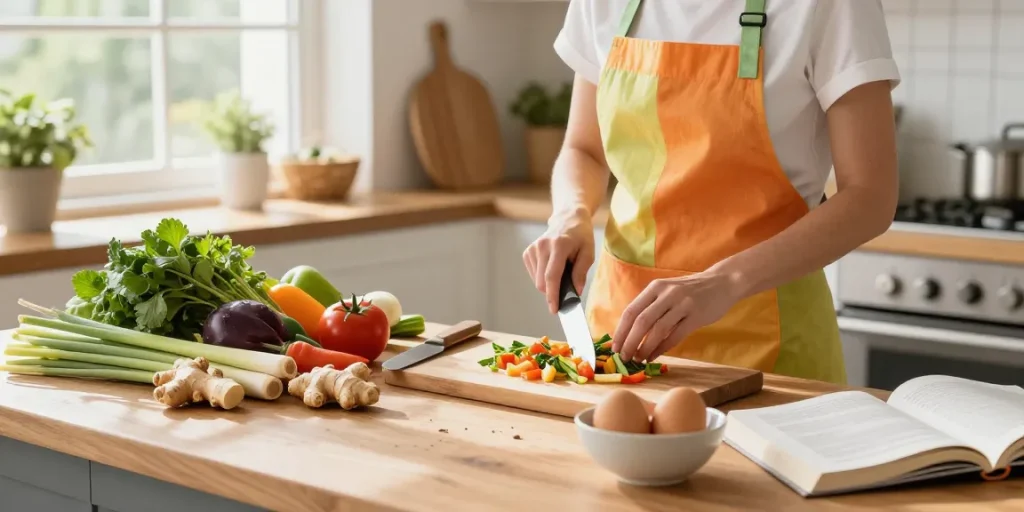
Knife skills are foundational for any home cook. Proper techniques can improve both efficiency and safety. Learning to hold a knife correctly, practicing various cuts (like julienne, dice, and mince), and understanding how to sharpen your knife are vital skills that can enhance meal preparation.
Cooking Methods: Boiling, Sautéing, and Steaming
Each cooking method brings out different flavors and textures in food. For instance, boiling is excellent for pasta and grains, while sautéing allows for quick cooking while preserving the nutrients in vegetables. Steaming is a healthy cooking method that retains essential nutrients without the need for added fats.
How to Properly Use Spices and Herbs
Spices and herbs can elevate any dish by adding flavor and nutritional benefits. Knowing when and how to add spices during cooking can significantly impact the final taste. Fresh herbs should be added towards the end of cooking, while dried spices often benefit from being added earlier to release their flavors fully.
Exploring Nutritional Profiles of Common Ingredients
A comprehensive understanding of the nutritional profiles of common ingredients can help you make healthier choices in your diet.
Health Benefits of Ginger and Lemongrass
Ginger is renowned for its anti-inflammatory and antioxidant properties, making it a popular choice for enhancing immunity and digestive health. Lemongrass, with its distinct aroma, not only adds flavor to dishes but is also known for its ability to aid digestion and reduce stress.
Understanding Protein Sources: Eggs and More
Eggs are a remarkable source of high-quality protein, containing essential amino acids necessary for muscle repair and growth. Exploring other protein sources, such as legumes, nuts, and dairy, can help diversify your diet and meet nutritional needs.
Importance of Fiber in Your Diet
Fiber is a crucial component of a balanced diet, supporting digestive health and promoting a sense of fullness. Incorporating fiber-rich foods like fruits, vegetables, whole grains, and legumes can aid in digestion and help maintain a healthy weight.
Creating Balanced Meals with Nutritional Ingredients
Creating balanced meals is fundamental for proper nutrition. A well-constructed meal should include a variety of food groups to ensure a comprehensive nutrient intake.
What Constitutes a Balanced Meal?
A balanced meal typically contains a combination of macronutrients: proteins, carbohydrates, and healthy fats. Incorporating a source of lean protein, whole grains, and plenty of vegetables ensures that you are not only satiated but also nourished.
Meal Prep Tips for Healthy Eating
Meal prepping can simplify your week and promote healthier eating habits. Preparing meals in advance allows you to control portion sizes and ingredients, making it easier to avoid unhealthy snacking. Consider batch cooking and utilizing airtight containers to store meals for the week ahead.
How to Incorporate Variety in Your Meals
Variety is key to a healthy diet. Experimenting with different cuisines, seasonal produce, and cooking methods can keep meals exciting. Challenge yourself to try new recipes each week or incorporate a new ingredient to your dishes to keep your palette engaged.
Future Trends in Cooking and Nutrition for 2026
As we look towards 2026, emerging trends in cooking and nutrition will likely reshape how we approach food.
Emerging Superfoods to Watch
New superfoods are continually being discovered, offering innovative nutritional benefits. Foods like spirulina, moringa, and various adaptogenic herbs are gaining popularity for their health-enhancing properties. Keeping an eye on these trends can help you stay ahead in nutrition.
Innovative Cooking Gadgets and Tools
The kitchen technology landscape is rapidly evolving, with gadgets like air fryers, sous-vide machines, and smart cookware making healthy cooking more accessible and efficient. These tools can streamline meal preparation and encourage healthier cooking practices.
How Technology is Changing the Way We Cook
Advancements in technology, such as meal planning apps and online grocery shopping, are changing how we interact with food. These developments simplify meal preparation and allow for more balanced dietary choices.
What Are the Healthier Options for Food Allergies?
As awareness of food allergies grows, so do the options for those affected. Understanding alternative ingredients and substitutions can empower those with dietary restrictions to enjoy a varied diet without compromising flavor or nutritional value.
How to Stay Informed on Nutritional Science?
Staying informed about nutritional science is vital in making educated eating decisions. Following reputable sources such as scientific journals, blogs by registered dietitians, and nutrition-focused websites can keep you updated on the latest discoveries in health and nutrition.